

WhatsApp Incognito Chat Launches with Meta AI Private Processing
WhatsApp introduces Incognito Chat for Meta AI conversations, using Private Processing to prevent Meta from accessing user interactions with the chatbot.
Archive item produced with AI assistance from the cited source and published without individual review. Editor of record: Joe Werner.

WhatsApp introduces Incognito Chat for Meta AI conversations, using Private Processing to prevent Meta from accessing user interactions with the chatbot.
Meta WhatsApp privacy encryption AI chat

Private Processing Architecture for AI Conversations
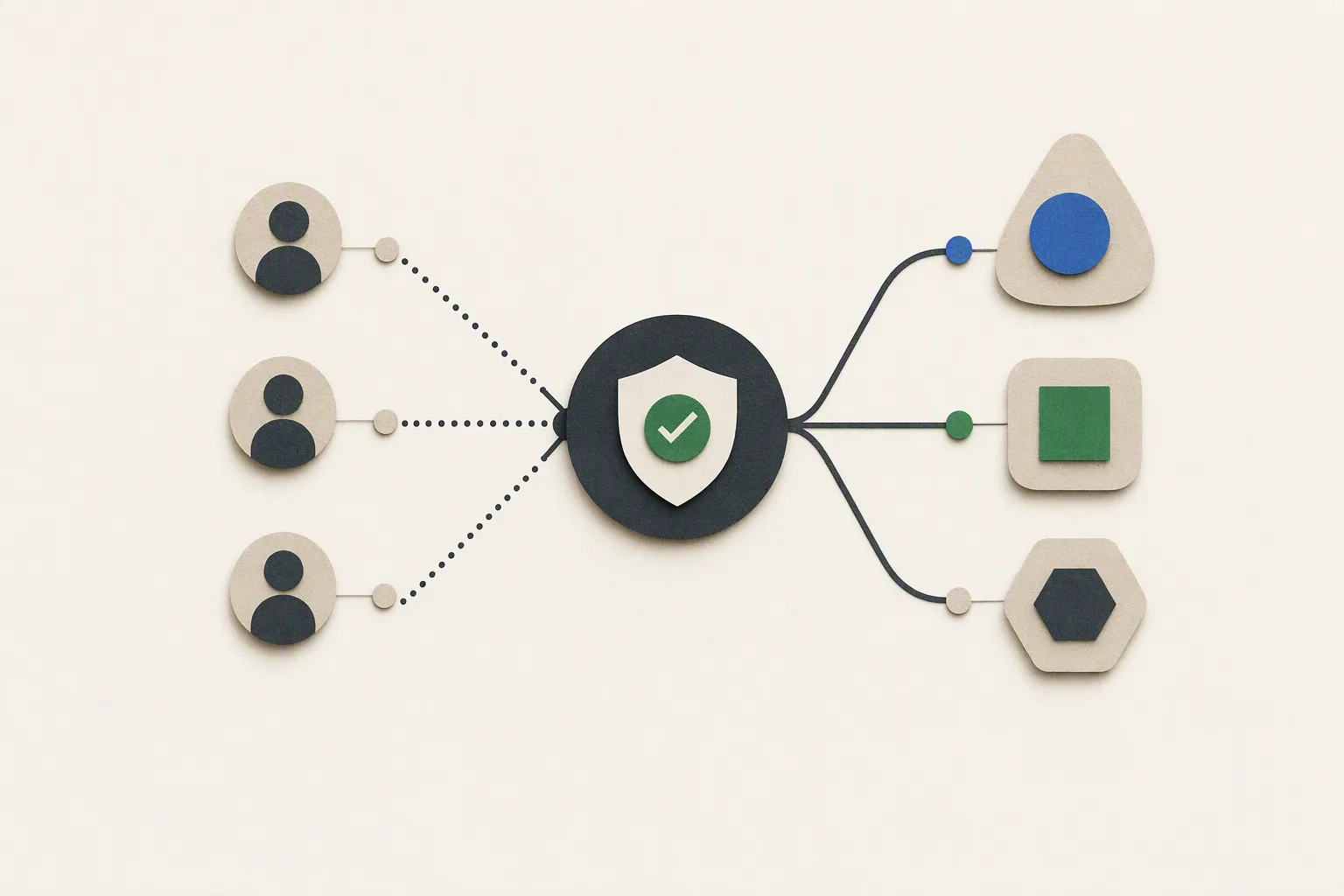
The Incognito Chat implementation builds on WhatsApp's Private Processing infrastructure, which debuted in 2023 and already supports existing AI features like message summarization. Unlike typical AI "incognito modes" that separate user identity from conversations, WhatsApp's approach uses Trusted Execution Environments to shield conversation content entirely from Meta's view.
Meta can only detect that an account used the Incognito Chat feature, not the actual content exchanged. The system runs AI inference within hardware security modules in Meta's data centers, creating what WhatsApp head Will Cathcart describes as "running a giant phone for AI" without company access to the passcode.
Third-party audits and vulnerability reporting processes oversee the Private Processing system, with cryptographer Matt Green from Johns Hopkins providing ongoing technical review. Green confirmed that the system should prevent Meta from accessing user conversations with AI.
Feature Limitations and Technical Constraints
Incognito Chat conversations are ephemeral by default, disappearing when sessions end. The initial release supports text-only interactions, with image processing and voice recognition capabilities planned for future updates. Meta optimized routing and reduced latency to maintain usability within the secure cloud environment's constraints.
The feature includes optional web search capabilities that operate anonymously to provide current information. Users can disable this function if preferred. Meta is also adding Incognito Chat to the standalone Meta AI app alongside WhatsApp integration.
Enterprise and Regulatory Implications
For European organizations evaluating AI chat integration, WhatsApp's Private Processing approach addresses data residency and access concerns that standard cloud AI services present. The architecture potentially aligns with GDPR requirements for data minimization and processing transparency, though enterprises should evaluate specific compliance needs.
The technical implementation using Trusted Execution Environments represents a significant infrastructure investment compared to standard AI deployment models. This approach may influence enterprise expectations for AI privacy capabilities, particularly in regulated industries requiring confidential AI assistance.
Market Context and Competitive Positioning
With over 3 billion WhatsApp users globally, Incognito Chat may provide many users their first AI chatbot experience through a privacy-focused framework. This contrasts with Meta's recent decision to remove opt-in end-to-end encryption from Instagram Direct Messages, highlighting inconsistent privacy approaches across Meta's platform portfolio.
The launch positions Meta as offering "private AI" capabilities while the company balances competing business priorities. Technical teams evaluating AI integration options now have a reference implementation for privacy-preserving AI chat, though the approach requires significant infrastructure investment and architectural complexity.
Wired reported on the WhatsApp Incognito Chat launch and its underlying Private Processing technology.
Claude Code 2.1.281: Bedrock Upstreams Get Cross-Account IAM and Guardrail Enforcement
2.1.281 adds assume_role and guardrail to Bedrock upstreams. assume_role swaps long-lived IAM credentials for per-developer STS tokens. guardrail applies a Bedrock guardrail to every request. Both shift the trust boundary in multi-account AWS deployments.

Claude Opus 5.5: Four Breaking API Changes and What They Mean for Your Routing Setup
Four breaking changes in Claude Opus 5.5: thinking can't be disabled, forced tool_choice returns 400, thinking blocks don't cross non-Fable/Mythos models, and computer_20251124 is gone. Each has a specific fix — three carry fallback routing implications the announcement skips.

Claude Code 2.1.275 Broke Every Gateway Proxy. 2.1.276 Fixed It the Same Day.
A new internal request tag in 2.1.275 caused 400 errors on every proxy-routed API call. 2.1.276 hotfixed it the same day. Breakdown of the failure, affected configs, and three secondary operator changes worth auditing.