

OpenAI Musk Altman Trial Features Donkey Statue as Evidence in Safety Dispute
OpenAI sought to present a jackass trophy in the Musk v. Altman trial as evidence of Elon Musk's behavior toward employees who challenged his safety priorities in 2018.
Archive item produced with AI assistance from the cited source and published without individual review. Editor of record: Joe Werner.

OpenAI sought to present a jackass trophy in the Musk v. Altman trial as evidence of Elon Musk's behavior toward employees who challenged his safety priorities in 2018.
ai llm industry openai elon-musk sam-altman legal

The Jackass Trophy and Its Origins
OpenAI lawyer Bradley Wilson presented US District Judge Yvonne Gonzalez Rogers with a small gold statue depicting a donkey's rear end, inscribed with "Never stop being a jackass for safety." According to OpenAI's legal team, employees gifted the trophy to chief futurist Joshua Achiam after he interrupted Musk's 2018 departure speech to warn that developing AGI at Tesla could compromise safety standards.
The statue allegedly commemorates Musk calling Achiam a "jackass" in response to the safety challenge. When questioned during testimony, Musk acknowledged he may have used such language but framed it as necessary communication to redirect misguided thinking. "Sometimes you have to use language that gets people out of their comfort zone, if we're going in the wrong direction," Musk stated, according to Wired's trial coverage.
Legal Strategy and Evidence Disputes
OpenAI requested permission to present the physical object during Achiam's testimony, arguing it corroborates their narrative about Musk's priorities and behavior. Musk's legal team countered that the statue lacks relevance to the case's core claims. Judge Gonzalez Rogers indicated she might allow reference to the trophy during testimony but expressed reluctance to accept it as official evidence, stating bluntly: "I don't want it."
The dispute reflects OpenAI's broader defense strategy of portraying Musk as primarily interested in control rather than the nonprofit's mission. Musk's lawsuit accuses OpenAI of misappropriating his $38 million in donations to build what is now valued as an $850 billion enterprise, effectively "stealing a charity" according to his legal filing.
Cultural Significance and Corporate Identity
The trophy incident reveals how OpenAI has embraced internal symbolism around its safety-first positioning. When the Wall Street Journal inquired about the statue in 2023, Altman defended its cultural value, noting "You've got to have a little fun... This is the stuff that culture gets made out of." This perspective suggests the company views the confrontation as a defining moment that reinforced its commitment to safety over rapid development.
For European AI teams watching the proceedings, the emphasis on safety culture and employee empowerment to challenge leadership decisions offers a contrast to more hierarchical approaches. The incident demonstrates how technical staff input on safety considerations can become institutionalized corporate values.
Trial Implications for AI Governance
The Musk v. Altman case addresses fundamental questions about AI development governance, particularly whether OpenAI has maintained its founding mission to ensure AGI benefits humanity. The donkey statue, while seemingly trivial, represents competing philosophies about balancing development speed with safety oversight.
The trial outcome could influence how AI companies structure governance mechanisms and handle founder disputes over strategic direction. For enterprise buyers and technical teams, the proceedings illuminate the internal tensions that can emerge when research organizations transition to commercial operations while maintaining safety commitments.
This courtroom drama over OpenAI's jackass trophy ultimately reflects the ongoing struggle to define responsible AI development practices in an increasingly competitive market, as reported by Wired.
Claude Code 2.1.281: Bedrock Upstreams Get Cross-Account IAM and Guardrail Enforcement
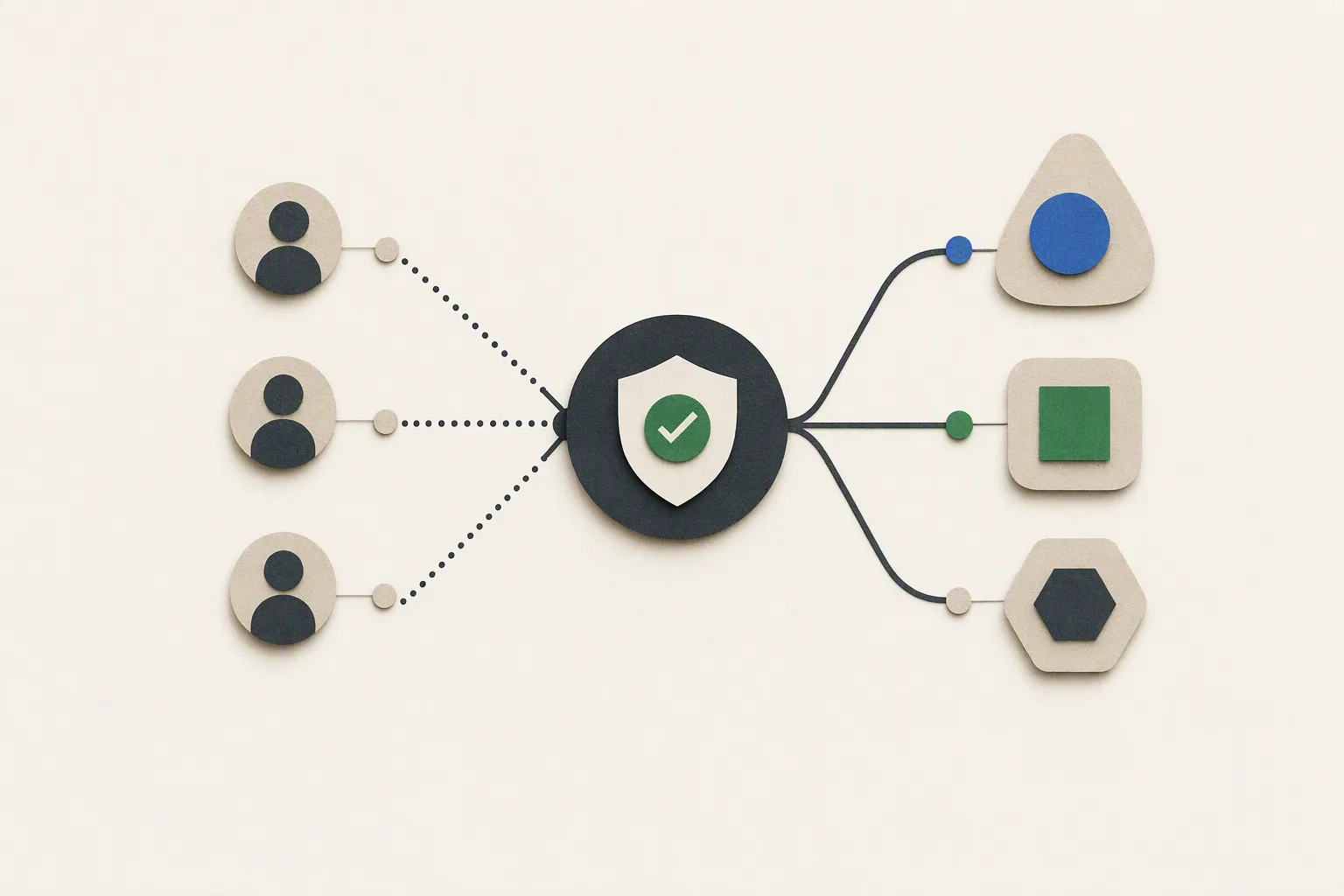
2.1.281 adds assume_role and guardrail to Bedrock upstreams. assume_role swaps long-lived IAM credentials for per-developer STS tokens. guardrail applies a Bedrock guardrail to every request. Both shift the trust boundary in multi-account AWS deployments.
Claude Opus 5.5: Four Breaking API Changes and What They Mean for Your Routing Setup
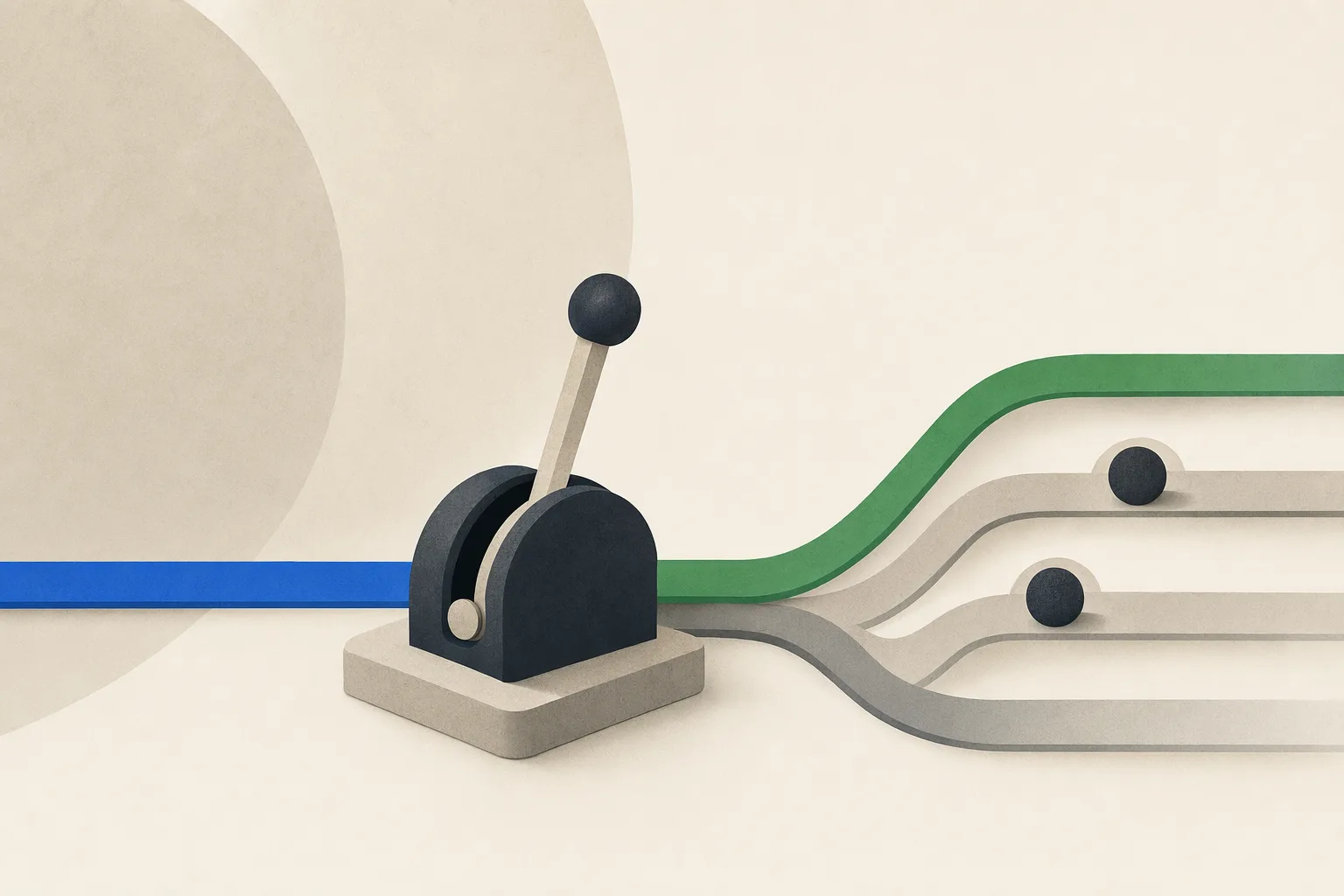
Four breaking changes in Claude Opus 5.5: thinking can't be disabled, forced tool_choice returns 400, thinking blocks don't cross non-Fable/Mythos models, and computer_20251124 is gone. Each has a specific fix — three carry fallback routing implications the announcement skips.
Claude Code 2.1.275 Broke Every Gateway Proxy. 2.1.276 Fixed It the Same Day.
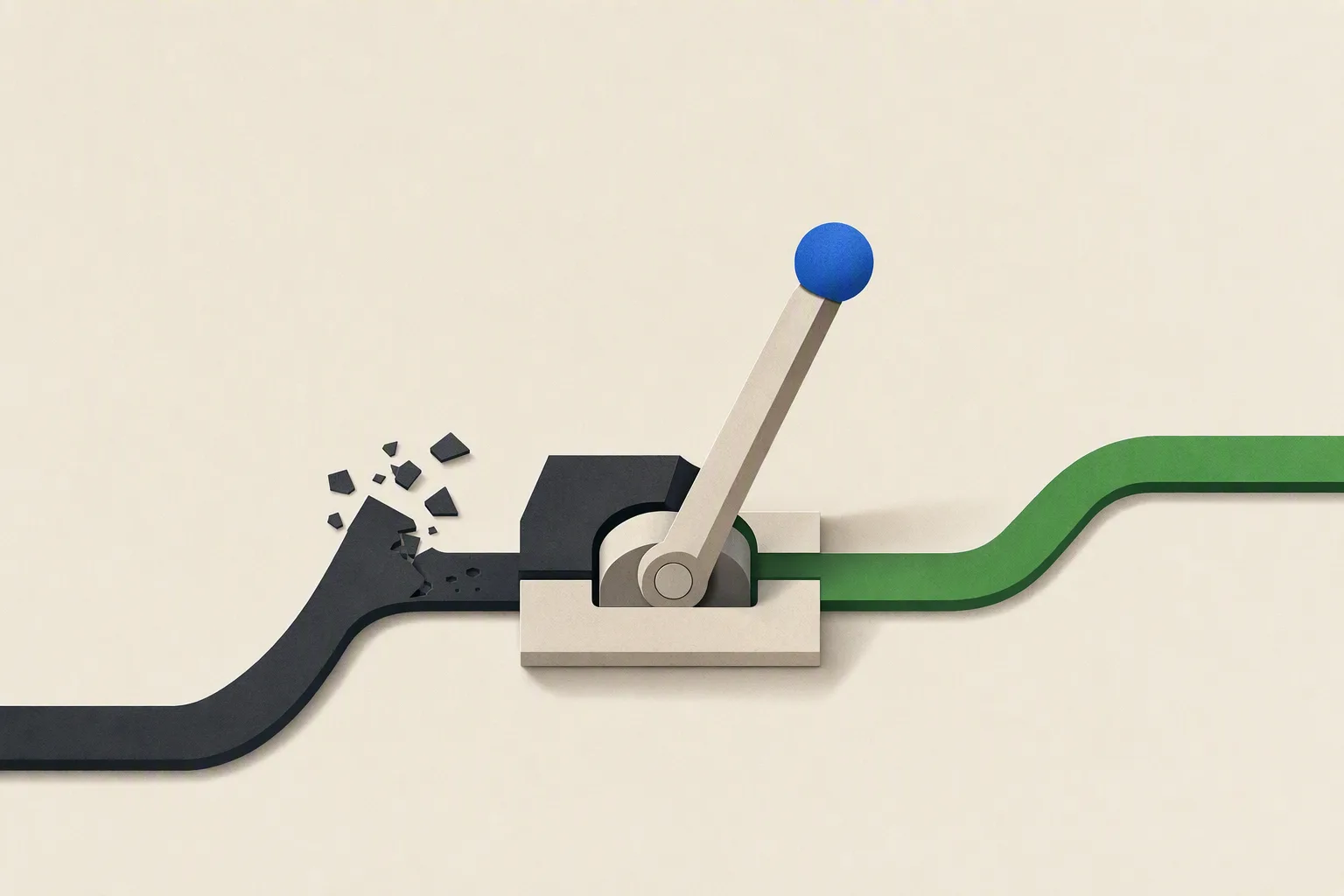
A new internal request tag in 2.1.275 caused 400 errors on every proxy-routed API call. 2.1.276 hotfixed it the same day. Breakdown of the failure, affected configs, and three secondary operator changes worth auditing.